Gas Line Safety Tips for Pittsburgh Kitchens and Heating Systems
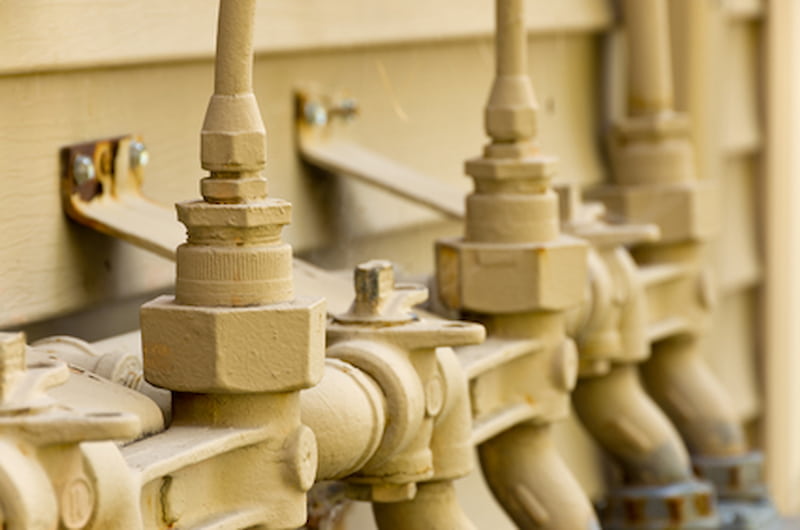
Gas line safety matters in every season, but Pittsburgh homes face special challenges from long winters, older housing, and rolling hills that funnel wind into vents. This guide explains practical ways to think about gas line safety, common risks for kitchens and heating systems, and how a licensed plumber keeps your home protected. If you ever have concerns, schedule gas line repair with a qualified pro and step outside to a safe spot to make the call.
Many homes in neighborhoods like Squirrel Hill, Lawrenceville, and the South Hills were built long before today’s materials and standards. Time, settling, and freeze-thaw cycles can stress fittings and joints. With the right checks and fast help when something seems off, you can keep the heart of your home running well.
Why Gas Line Safety Matters In Pittsburgh Homes
Our region sees wide temperature swings from icy January nights to humid July afternoons. Expansion and contraction put pressure on piping and appliance connectors. Older black iron lines can corrode in damp basements. Flexible tubing can rub on sharp edges if not properly supported. These small issues can add up over years.
Reliable gas service keeps your range, dryer, boiler, or furnace working. A safe system also protects indoor air quality and helps your appliances last longer. Never try to repair a gas line yourself. Trained technicians use proper test methods and approved materials to restore safety.
Gas Line Safety In Pittsburgh: What Homeowners Should Know
Start with awareness. Notice how your kitchen and heating system usually sound, smell, and perform. Subtle changes can be early clues that a pro should take a look.
- Persistent sulfur or “rotten egg” smell indoors or near outdoor meters
- Hissing or whistling near a line, connector, or appliance
- Pilot lights that keep going out or flames that look yellow and wavy
- Dead vegetation along a buried line path or soil bubbling after heavy rain
If you suspect a leak, do not switch lights or appliances on or off. Step outside, move away from the building, and call your gas utility and a licensed plumber. Leave immediately if you smell gas.
For peace of mind, book routine service before the first cold snap. A tune-up visit can include a quick visual check of exposed gas lines in basements and utility rooms, along with appliance connections. When it is time for a fix, schedule professional gas line installation or repair so your system meets current best practices.
Kitchens, Ranges, And Appliance Hookups
Busy kitchens see constant movement. Ranges are pulled out for cleaning. New appliances arrive with different connector lengths and clearances. A licensed plumber will confirm the connector type, valve access, and the route the line takes behind cabinets.
Safe appliance hookup is about more than the final connection. It includes clear access to a shutoff valve, good support, and protection from kinks or rubbing. When a range or dryer is pushed back, the connector should not be stretched tight or pinched. Small details like these help prevent leaks later.
Boilers, Furnaces, And Space Heaters
Many Pittsburgh homes rely on boilers with radiators or older gravity systems. Others use forced-air furnaces. Both need steady gas supply and proper venting. Weak flames, soot streaks, or unusual odors point to issues that should be checked by a professional.
Install and maintain carbon monoxide detectors on every level of the home, especially near sleeping areas. CO is colorless and odorless. Detectors give an early warning if combustion is not right.
Professional Inspections And Leak Detection
A licensed plumber follows a clear process. First comes a visual review of exposed lines, valves, sediment traps, and accessible connectors. Next, test methods help confirm the integrity of the system and the fittings that serve each appliance.
- Check for corrosion, missing supports, and signs of movement
- Confirm shutoff valves are accessible and labeled
- Verify approved connectors and proper routing to ranges, dryers, and heaters
- Evaluate venting and combustion air for heating equipment
If a problem is found, the pro will isolate the area, stop the flow, and complete the repair with approved materials. They will also relight pilots and verify normal operation afterward.
Repair, Replacement, And Materials
Every home is different. The fix may involve a new shutoff valve, an updated appliance connector, or replacing a section of pipe. The best choice depends on layout, appliance needs, and the condition of existing lines. Material selection varies by location inside the home and exposure to moisture.
In older basements with long runs, the plumber may recommend supports to reduce strain. Where a line passes through a cabinet or wall, protective sleeves or grommets help prevent wear. These steps add stability and reduce the chance of movement over time.
Permits, Code, And Insurance Considerations
Rules can vary by jurisdiction and project scope. Your licensed plumber will advise when permits or inspections are required and coordinate as needed. Insurers may also ask for proof that work was done by a qualified professional. Keeping documentation helps if you sell the home or update major appliances later.
How To Choose A Gas Leak Plumber In Pittsburgh
Look for proper licensing, proven gas experience, and clear communication. Ask how they test for leaks, what materials they use, and how they protect finished spaces during work. Strong reviews in areas like Mount Washington, North Hills, and Highland Park can show consistent results.
Fast response matters. If you are concerned about an odor, sound, or failing pilot, call 412-265-8733 to reach Steel City Plumbers. A trained technician can assess next steps and restore safe operation as soon as possible.
Prevention Tips You Can Use Without Tools
Good habits go a long way. Keep areas around boilers, furnaces, and ranges free of clutter. Make sure nothing leans on a flexible connector. When you replace an appliance, keep the manual and ask your installer to point out the shutoff valve location.
If you want a deeper overview of best practices and home safety basics, visit the homepage of Steel City Plumbers and learn more about gas line safety. The more you understand about how your system is set up, the faster you can spot changes and call for help.
Schedule an annual professional review before heavy heating use. This simple step often catches small issues early and keeps comfort steady through lake-effect snow and spring storms alike.
Seasonal Considerations For Pittsburgh, PA Homes
Winter brings deep cold and longer run times for heating equipment. Spring and fall are great times to check appliance connectors after cleaning or furniture moves. In summer, outdoor cooking and home projects can bump or stress lines. A short visit from a pro keeps everything on track for the next season.
If you plan a kitchen upgrade, talk with a licensed plumber about routing, valve placement, and future appliance needs. Smart planning now can make later changes easier and safer.
When To Call A Pro Right Away
Trust your senses and your instincts. If something looks or smells off, step away and make the call. Your safety comes first. Trained plumbers handle testing, isolation, repair, and verification so you do not have to guess.
For expert help with leak concerns or appliance connections, schedule professional gas appliance hookup or repair. Clear steps and proper materials return your kitchen and heating system to normal.
Ready To Make Your Home Safer?
Whether you live in a brick rowhouse in the Strip District or a ranch in the South Hills, Steel City Plumbers is here to help keep your home safe and comfortable. Call 412-265-8733 or request service online. For fast, professional care, visit our gas lines page and connect with a licensed plumber today.
Ready to Get Started?
Request an Appointment with Our Expert Plumbers in Pittsburgh!
Request Service Call Now