Water Heater Installation Checklist: What Pittsburgh Homeowners Should Decide First
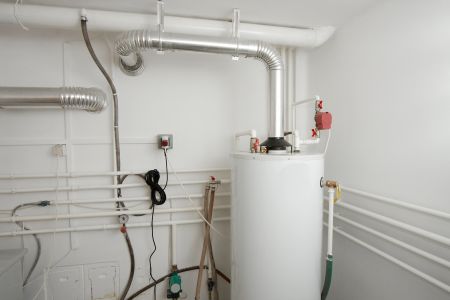
A smooth water heater installation in Pittsburgh starts with a few smart choices. This checklist walks you through each decision so your new system fits your family, your house, and our local climate. If you want a licensed team to handle the details, you can schedule professional water heater installation with Steel City Plumbers and keep hot water dependable year round.
How To Plan Water Heater Installation in Pittsburgh
Homes in neighborhoods like Squirrel Hill, Bloomfield, and Mt. Lebanon range from century-old brick houses to newer builds. Basements can be tight, stairs steep, and winters cold. All of that affects venting, capacity, and recovery time. Use the steps below to make confident choices before you book your install.
Tank vs. Tankless: What Fits Your Home
Start by deciding whether you want a traditional tank or a tankless unit. Each has clear tradeoffs in performance, space, and energy use.
- Tank water heaters store hot water, handle multiple fixtures at once, and are often simpler to replace in older basements with limited power or venting changes.
- Tankless units heat on demand, free up floor space, and can reduce standby heat loss. They work best when gas line size, venting, and electrical needs are a good match.
Think about how your home is laid out. If your laundry and bathrooms are far apart, a properly sized tank may feel more consistent during busy mornings. If you value space and steady hot water on long showers or back-to-back loads, a tankless system may be a strong fit. In tall row homes around Lawrenceville, a tankless model can help with space but needs careful vent routing.
Sizing Guide: Match Capacity to Your Household
Right-sizing is the difference between happy mornings and lukewarm surprises. Consider the number of people, shower routines, and whether appliances often run at the same time.
- Choose the right size for your family. Bigger is not always better; the goal is enough hot water at peak times without waste.
- Count the fixtures you might use within the same 30–60 minutes. Showers, dishwasher cycles, and laundry add up fast.
- For tank models, think about first-hour rating and recovery time. For tankless, focus on flow rate at winter inlet temperatures.
Western Pennsylvania winters cool incoming water, so tankless systems need the correct flow capacity to keep showers hot in January. Families in North Hills with teens and sports schedules may need more capacity than a couple in a South Side loft. When in doubt, ask a pro to size it based on your actual use rather than a guess.
Fuel, Venting, and Electrical Basics in Pittsburgh Homes
Most local homes use natural gas, but electric and propane systems are common too. Your existing utilities, basement layout, and chimney or sidewall options will guide the choice. Gas units require the right line size and safe venting. Electric models need adequate panel capacity and a dedicated circuit.
Never operate without proper venting. Venting routes vary by equipment type and by home layout. Some older houses in Greenfield or Brookline have shared chimneys that may need a liner or a switch to sidewall venting. The safest plan is to have a licensed plumber confirm clearances, materials, and termination points before installation day.
Safety callout: Pittsburgh’s hills and tight lots can create tricky wind patterns around sidewall vents. A professional will check for backdraft risks and set proper clearances from windows and walkways to protect your family from carbon monoxide.
Placement, Access, and Drainage Considerations
Basement steps, furnace rooms, and laundry corners differ from house to house. Measure doorways and turns along the path from your entry to the install spot. Confirm there is safe working space, a nearby drain for T&P discharge, and a pan if required. In homes near the rivers or low-lying areas, plan for occasional groundwater and provide stable, elevated placement when needed.
Think about future service. A unit tucked behind shelving or a fixed sink can turn a simple tune-up into a big project. If you move to tankless, wall space and vent direction matter. Good access pays you back every time maintenance is needed.
Permits, Inspections, and Safety
Depending on your municipality, permits and inspections may be required for water heater replacements or fuel changes. Requirements can vary across the Pittsburgh region, including suburbs like Dormont and Mt. Lebanon. Pull permits when required and schedule any inspections so the job is documented and safe. Steel City Plumbers can guide you through typical steps and coordinate with your local authority when needed.
Water Quality, Maintenance, and Longevity
Mineral content, age of piping, and how often you use hot water all affect system life. Sediment can collect in tanks over time, and scale can impact tankless heat exchangers. A maintenance plan with periodic flushing and anode checks helps protect your investment.
Ask about warranties and what maintenance keeps them valid. Some manufacturers require documented service to maintain coverage. If you value set-and-forget convenience, consider a service reminder or membership with Steel City Plumbers to keep things on track.
Budget Priorities Without Guessing on Price
Exact pricing varies by model, fuel type, venting path, and the condition of existing lines. Rather than chasing a single number, decide on your must-haves: recovery speed, efficiency rating, warranty length, and space needs. Then compare options in that lane so you are weighing equals. This approach avoids surprises and helps your installer recommend the best fit.
Timeline, Scheduling, and Seasonal Timing
Winter freeze-ups and holiday guests can strain older heaters. If your unit is more than a decade old or showing rust around fittings, plan your replacement before a failure. In busy seasons, scheduling a proactive swap prevents emergency downtime. For many Pittsburgh homeowners, early fall is a smart window to prepare for winter demand.
Installation time depends on access, fuel type, and any vent or line upgrades. Homes with narrow stairs or old shutoff valves may take longer because safety comes first. Let your installer know about any special building access rules or parking limits common in areas like Shadyside or Downtown condos.
How To Choose a Reliable Plumber
Look for a licensed, insured team with strong local reviews and relevant certifications. Ask about recent installs in homes like yours, and how they handle permits and inspections. A clear scope of work and timeline builds trust. Have a licensed plumber install gas and venting to protect your family and your warranty.
Your Pre-Install Checklist
Use this quick run-through to confirm you are ready for installation day:
- Decide tank or tankless based on space, usage, and goals.
- Right-size capacity for peak demand and winter inlet temps.
- Confirm fuel type, venting path, and electrical or gas line needs.
- Measure access routes, doorways, and working space.
- Plan for drainage, pan, and T&P discharge routing.
- Check if permits or inspections apply in your municipality.
- Review warranty terms and set a maintenance plan.
Local Notes for Pittsburgh, PA Homes
Pittsburgh’s mix of older housing stock and steep grades can influence both the equipment you choose and the way it is installed. Sidewall vents may need careful placement to avoid snow drift zones and walkways, especially in neighborhoods at higher elevation like the South Hills. If your home shares a chimney with other appliances, ask your installer to evaluate liners or alternative venting to stay safe and up to code.
In river-adjacent areas, sump activity and humidity can be higher. Simple steps like stable stands, clear floor drains, and thoughtful placement protect your new heater from moisture. These details help extend the life of your system and keep maintenance simple.
When To Repair vs. Replace
Repairs can make sense for newer units with a clear, single issue. Replacement is often smarter for older heaters with repeated outages, visible corrosion, or rising recovery times. If hot water runs out faster each winter, your capacity or burner performance may no longer match your routine. A short site visit from Steel City Plumbers can help you compare options without guessing.
Next Steps: Make the Smart Move Today
Now that you know the big decisions, you can book with confidence. If you want help choosing models and sizing, Steel City Plumbers can review your usage, measure access, and handle permits where required. You can also compare options during an in-home visit and plan the venting route before parts are ordered, which keeps installation day smooth.
When you are ready, call 412-265-8733 to speak with a local expert, or start your request online and book your water heater installation for a time that works. For more background while you plan, explore water heater installation in Pittsburgh, PA with Steel City Plumbers and see how the process works from start to finish.
Ready to Get Started?
Request an Appointment with Our Expert Plumbers in Pittsburgh!
Request Service Call Now