Cost Guide to Whole-Home Repiping in Pittsburgh
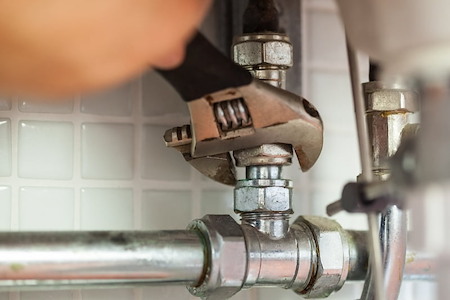
If you are weighing the investment in repiping in Pittsburgh, you want clear, local, and simple guidance. This cost guide explains the biggest factors that shape a quote, what materials make sense in our climate, and what to expect during the project so you can plan with confidence. For a deeper look at the service itself, you can explore our repiping service details and then come back here to understand how pros estimate your home.
What Whole-Home Repiping Means in Pittsburgh Homes
Many houses across neighborhoods like Squirrel Hill, Mount Washington, Dormont, and Fox Chapel were built long before modern plumbing materials. Whole-home repiping replaces aging supply lines throughout the home with new pipe, fittings, and valves so water flows cleanly and evenly to every fixture.
Older galvanized steel and some copper lines gradually corrode inside. That can show up as rusty water, low pressure at multiple fixtures, and recurring leaks. If you are seeing these patterns, scan this quick primer first and then read the client article on why do I need repiping to compare symptoms with what you’re experiencing.
Key Factors That Shape Your Repipe Quote
Every home is unique, so reputable plumbers look at the whole picture before offering firm numbers. Here are the elements that most often change the price range:
- Material choice: Copper and PEX perform differently, install differently, and are priced differently.
- Home size and fixture count: More bathrooms, floors, and fixtures mean more pipe and fittings.
- Access and finishes: Finished basements, plaster walls, custom tile, or tight joist bays can add labor time.
- Layout and shutoff strategy: Stacked bathrooms are often faster than scattered wet walls.
- Water quality conditions: Hard water, older galvanized, or historic piping can require extra planning.
- Season and scheduling: Winter work may include extra protection steps, especially during cold snaps.
- Inspection steps: Permits and inspections vary by municipality; your quote typically reflects the local process.
- Surface restoration: Some contractors include basic patching; others coordinate with a finisher. Always clarify in writing.
Two homes on the same street can receive different quotes because the path to reach each fixture may be simpler in one than the other. The best estimate comes after an on-site walk-through with photos and a written scope.
Materials: Copper, PEX, and Replacing Galvanized Pipes
In Allegheny County’s freeze-thaw seasons, both copper and PEX are used for repiping. Each material has tradeoffs that affect installation time and total project cost.
- PEX: Flexible, fewer fittings in tight spaces, and tolerant of temperature swings. Works well for home-run manifold layouts and can reduce the number of openings in finished walls.
- Copper: Rigid and time-tested, with excellent heat resistance. Often chosen for exposed mechanical rooms or where a traditional look is preferred.
- Galvanized replacement: Galvanized lines common in pre-1960 homes can choke with mineral rust. When they are replaced, expect careful planning at transitions to newer materials.
Older galvanized lines often hide severe internal corrosion. That is why symptoms like discolored water or house-wide low pressure often point to a full repipe instead of repeated spot repairs. If portions of your home are still on galvanized and others are already updated, your plumber may propose a phased plan that brings everything up to the same standard.
Avoid mixing incompatible metals without proper fittings. Where materials change, pros use approved transition fittings so the system stays reliable long term.
How Pros Build a Reliable Repipe Plan
To keep your home running as smoothly as possible, a professional team will map a sequence that limits downtime and surprises. While timelines vary by home, most projects follow a similar rhythm:
Assessment and planning — Your estimator documents fixture locations, ceiling and wall types, shutoff points, and preferred pipe routing. They create a plan to reach every wet wall with the fewest openings.
Staging and protection — Flooring protection, dust containment, and pathway setup happen first. Access panels or small openings are made where needed.
Rough-in — Old lines are isolated and new pipe runs are installed to each fixture group. Manifold systems are common for PEX layouts. Where isolated leaks or weak sections are present, targeted pipe repair may be used alongside the repipe.
Testing and inspection — Pressure tests verify the new system before finishes are closed. Inspection steps depend on jurisdiction and scope.
Close-up — Openings are secured and made ready for patch and paint. Some homeowners use their own finisher; others prefer the plumber to coordinate with a restoration partner. Clarify which approach you want in the written scope.
What Drives Quotes Up or Down
Even without numbers, you can understand why quotes differ. These are the levers that commonly shift a project higher or lower:
- Routing efficiency: Stacked bathrooms and basements with accessible joists simplify labor.
- Fixture consistency: Standardized valve types and trim reduce fitting changes and save time.
- Access realities: Plaster, stone foundations, and tight soffits increase labor compared to open framing.
- Scope clarity: Clearly defining which appliances and hose bibs are included avoids change orders.
Get written scopes that clarify drywall, permits, and inspections. Clear paperwork helps keep the schedule and budget on track.
Is It Time To Repipe This Year?
Homeowners often ask if they should wait or act now. Consider a professional evaluation soon if you notice:
- Discolored or rusty water at multiple taps
- House-wide pressure drops, especially when more than one fixture runs
- Recurring leaks in different parts of the home
- Noisy, knocking pipes when fixtures shut off
- Visible galvanized piping or frequent pinhole leaks in older copper
You can compare your symptoms with this quick read on why I need repiping to see how pros decide between spot repairs and a whole-home plan.
Pittsburgh-Specific Details That Affect Planning
Local housing stock varies from century homes in the East End to hillside bungalows in the South Hills. Basements may be unfinished in Brookline or fully finished in Bethel Park. These details change how crews route pipe and how many small openings are needed.
If your home still has galvanized service lines or older interior supply lines, coordinate the repipe plan with any future exterior work. Your water provider can share current guidance on timing and testing if you are updating older materials. Because conditions differ street by street, your quote should reflect what is found at your address.
How Long It Takes And What Living Through It Feels Like
Most whole-home repipes are scheduled in phases so water is restored at the end of each workday whenever possible. For many Pittsburgh homes, crews complete work within several days based on size and complexity. If you have multiple floors and many fixtures, expect more time for routing and testing.
Crews protect floors, isolate dusty tasks, and clean up daily. You will hear normal tool noise and see small access openings that are later secured and readied for finishing. If you prefer a single point of contact, ask for one project lead who will keep you posted each day.
When you are ready to compare paths and materials, you can read the overview on our repiping service page and then request an in-home assessment from Steel City Plumbers at 412-265-8733.
Why Not Keep Repairing Leaks?
Spot repairs make sense when one isolated section fails. But when leaks pop up in different places or pressure is weak across the home, repeated patches can cost more in the long run than a planned repipe. Whole-home repiping resets the system so you get reliable temperature balance, quicker hot water at fixtures, and cleaner flow that protects appliances and fixtures.
Repiping is not a DIY project. Licensed pros bring the right tools, testing steps, and permits so your system is safe, consistent, and inspected where required.
Next Steps
If you want a quick way to vet your options, start by comparing material approaches and layout choices in a written scope. You can also skim recent articles on the site under plumbing tips to see how Steel City Plumbers approaches common plumbing challenges in our area. When you are ready for repiping in Pittsburgh from a trusted local team, we are here to help.
Talk With a Local Repiping Specialist
Set up a short, no-pressure assessment with Steel City Plumbers. We will walk your home, document the layout, and outline a plan that fits your goals and finish level. To get started, call 412-265-8733 or schedule through our repiping service in Pittsburgh details page.
Ready to Get Started?
Request an Appointment with Our Expert Plumbers in Pittsburgh!
Request Service Call Now