Why Your Sump Pump Keeps Running (And When It’s an Emergency)
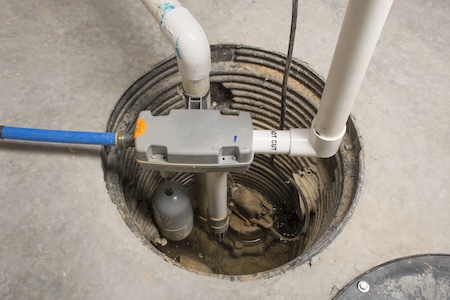
In many Pittsburgh homes, the sump pump is the quiet hero that keeps the basement dry through spring rains and summer storms. If yours runs nonstop, it is a red flag. Constant cycling usually points to an issue that needs professional attention, especially during heavy rain patterns common near the Three Rivers. If you are worried about damage, reach out to Steel City Plumbers for prompt help with emergency plumbing repairs or call 412-265-8733.
This guide explains what continuous running really means in our area, the most common causes, and clear signs it has turned into an emergency. You will also see how our team approaches sump pump troubleshooting without guesswork so you know what to expect when a licensed plumber arrives.
What Constant Sump Pump Running Means In Pittsburgh Homes
A healthy sump pump should cycle on when water rises in the pit and off when levels drop. If it hums along for long stretches or seems to click on every few minutes, the system is under stress. In Pittsburgh, clay-heavy soils, older foundation drains, and sloped lots can push more groundwater toward your home than the pump can clear. After a rainy week, a pump may run more than usual, but it should not run without a break for hours at a time.
Continuous running can be a symptom of a control problem like a stuck float, a performance issue like a failing check valve, or a design mismatch between the pump and the inflow. Any of these can lead to basement moisture that invites mold and structural damage if ignored.
Common Reasons A Sump Pump Runs Non-Stop
Several issues can keep a sump pump from taking a normal break between cycles. Some are simple, others require a system redesign. Here are frequent culprits we find across neighborhoods like Squirrel Hill, Shadyside, Lawrenceville, and the South Hills:
- Float switch problems that keep the pump “on” even when water is low
- Check valve failure allowing water to fall back into the pit after each cycle
- Clogged or undersized discharge line that slows water leaving the house
- High groundwater after heavy rain or snowmelt that overwhelms the pit
- Undersized pump or shallow pit that cannot keep up with inflow
- Electrical or control issues that confuse the pump’s on and off signals
Do not ignore a pump that never turns off. It is a warning that the system is not keeping up and your basement is at higher risk during the next storm. In some cases, the motor can overheat and fail, which leaves the home exposed during peak rainfall.
Float switch issues are especially common. The switch can snag on the pit wall or debris, or the internal sensor can wear out. When that happens, the pump keeps running even when the water level is low. A worn or missing check valve can also cause short cycling because water rushes back into the pit after each run, forcing the pump to restart.
Clogged or long discharge lines are another local pain point. Many Pittsburgh homes route discharge uphill to the curb or across long yards. If the line has a partial blockage or ice in colder months, the pump works harder for less result. Frozen or crushed lines are more likely in shaded North Side yards or tight side setbacks in older city lots.
Sometimes the pump is simply not built for the inflow. Older houses in Mount Washington or the North Hills may have smaller basins and pumps that were fine decades ago but struggle with today’s heavier rain bursts. Upgrading the pump, resizing the pit, or adjusting the discharge path are common fixes we consider after a system evaluation.
Signs It Is An Emergency And You Should Call Right Away
Not every long run is a crisis, but some signs mean you should get a plumber out quickly to protect your home from Pittsburgh basement flooding:
- Water level keeps rising in the pit even while the pump runs
- Alarms, burning smell, or the pump is hot to the touch
- Repeated tripping of a breaker or flickering lights when the pump starts
- Gurgling or hammering in the discharge line with little water moving
- Visible water seeping at wall-floor joints or through cracks
If water is approaching finished flooring or stored belongings, treat it as urgent. Quick action can help prevent mold, protect your foundation, and avoid costly cleanup. Our team handles emergency calls and can triage the situation over the phone before dispatching a licensed plumber.
Safety reminder: Never reach into the pit or touch standing water near electrical connections. Basements in older Pittsburgh homes may have mixed wiring and sump outlets on shared circuits. Keep people and pets away and call a licensed plumber for a safe assessment.
Why This Problem Is So Common Around Pittsburgh, PA
Pittsburgh sits at the meeting point of the Allegheny, Monongahela, and Ohio Rivers, and many neighborhoods rest on hills with clay soil. Water often tracks along foundation walls and enters perimeter drains that feed the sump pit. During spring and early summer, quick downpours can spike inflow within minutes. In winter and early spring, freeze and thaw cycles push snowmelt toward homes, especially in sloped yards. These patterns lead to long run times, which exposes weak float switches, tired motors, and borderline discharge setups.
Homes built before modern drainage standards may also rely on shallow pits or smaller pumps. If your house has a finished basement or a storage-heavy utility area, smaller systems can fall behind faster, making continuous running much more likely during storm fronts.
Professional Sump Pump Troubleshooting Vs. Guesswork
When we arrive, our focus is to find the root cause rather than treating the symptom. We inspect the float switch for free movement, verify the check valve orientation, evaluate discharge distance and elevation, and look for partial clogs or ice history in the line. We also assess pit size and the inflow rate. If needed, we measure the pump’s actual output to see whether it matches the home’s demands during storms in your part of the city.
Because a nonstop pump can signal multiple overlapping issues, the solution is often a package of small improvements instead of a single part swap. That is one reason Pittsburgh homeowners call Steel City Plumbers for plumbing repairs when a pump keeps running. Our licensed plumbers know local soils, common yard slopes, and typical discharge routes, so you get targeted fixes that hold up through the next big storm.
If you want a broader look at what we handle beyond this issue, you can review our full list of services anytime. For general information about the company and sump pump troubleshooting, start at our home page here: sump pump troubleshooting.
How Steel City Plumbers Solves A Sump Pump That Won’t Stop
Every home is different, but our approach follows a proven flow. First, we listen to your description of run time, noises, and recent weather. Then we examine the pit, switch, and discharge path to confirm or rule out common causes like a sticky float or a leaky check valve. If the pump is undersized or the pit is too shallow for your inflow, we recommend right-sized options that match Pittsburgh’s rainfall patterns and your neighborhood’s topography.
We also look beyond the pit. Water might be re-entering near downspouts or pooling along a foundation corner. When needed, we coordinate with trusted partners to correct grading or downspout routing so the pump does not carry the full load. Our goal is a quiet, reliable system that only runs when needed and rests when the pit is clear.
Your peace of mind matters. That is why our team explains what we find in plain language and offers options that balance performance and reliability. If you prefer a single-visit fix, we will prioritize the changes that make the biggest difference today and set a plan for future upgrades if needed.
Preventive Upgrades That Reduce Risk Of Basement Flooding
Many nonstop run problems ease once the system is tuned and right-sized. To help prevent recurrences during Pittsburgh’s wettest weeks, we may suggest:
- Reliable switch technology that resists snagging and false signals
- A high quality check valve positioned for strong, quiet operation
- An optimized discharge route with fewer turns and proper daylighting
- A pit size matched to your inflow so the pump cycles less often
- A water alarm for early warning if levels climb fast during storms
- A backup solution that keeps water moving during outages
These upgrades are common in areas like Monroeville, Bethel Park, and Ross Township, where terrain and soil can push water toward basements after quick cloudbursts. We tailor each recommendation to the home so the pump runs efficiently without wearing itself out.
When To Call A Plumber In Pittsburgh
If your sump pump runs constantly for more than a short stretch after rain, or you notice new noises, odors, or seepage lines, it is time to bring in a pro. Waiting can turn a minor control issue into water damage. Steel City Plumbers handles sump pump troubleshooting daily and can prioritize visits when storms are in the forecast. To schedule fast help with persistent cycling, contact our team for expert emergency plumbing repairs or call 412-265-8733.
Ready To Protect Your Pittsburgh Basement?
Pumps that never rest are trying to tell you something. Let a licensed plumber find out what and fix it the right way. Talk with Steel City Plumbers today for sump pump troubleshooting and lasting solutions in Pittsburgh and nearby suburbs. Call 412-265-8733 or visit our page on plumbing repairs to get started.
Ready to Get Started?
Request an Appointment with Our Expert Plumbers in Pittsburgh!
Request Service Call Now